How to Prepare for IELTS in 2026 (A Practical Plan)
Date
Dec 17, 2025
Author
Daily Native English
Preparing for the IELTS exam in just two months may sound unrealistic—but thousands of candidates achieve their target score every year by training the right way, not by studying longer hours.
The biggest mistake IELTS candidates make is random practice: memorising vocabulary lists, writing endless essays without feedback, or doing full tests every day with no analysis. IELTS is not a test of effort—it’s a test of strategy, accuracy, and exam awareness.
This guide outlines a realistic 2-month IELTS preparation plan, designed to help you improve efficiently and confidently—especially if you are aiming for Band 7, 8, or 9.
Step 1: The First 3 Days — Diagnose Before You Study
Before opening another book, you must identify your real weaknesses.
What to do in the first 72 hours:
Complete one full Cambridge IELTS Listening and Reading test under timed conditions
Write one Task 1 and one Task 2 essay
Record yourself answering one Speaking Part 2 topic (2 minutes)
Why this matters:
Most candidates assume their weakest skill incorrectly. A proper diagnosis prevents you from wasting weeks on the wrong areas.
Step 2: Weeks 1–4 — Build Strong Foundations
This phase focuses on accuracy and system building, not speed.
Listening Strategy
Use Cambridge IELTS 10–18 only
Listen once → check answers → replay at 1.25x speed
Record why each mistake happened (keyword missed, distraction, spelling error)
Reading Strategy
Practice by question type (matching headings, T/F/NG, MCQs)
Train under time pressure gradually
Focus on locating answers, not understanding every word
Step 3: Writing — Train Smart, Not Often
Writing improves through structure, feedback, and repetition, not volume.
Writing Task 1
Practice one chart every 3–4 days
Master:
Introduction formulas
Overview writing
Trend language
Writing Task 2
Prepare 8–10 high-frequency topics
Use a fixed structure:
Introduction
Two body paragraphs
Conclusion
Rewrite and refine one strong essay instead of writing many weak ones
Step 4: Speaking — Short, Daily, Focused Practice
Speaking requires consistency, not long sessions.
Daily Speaking Plan (30–45 minutes):
Part 1: 10 short answers (expand naturally)
Part 2: 1 topic × 2 attempts
Part 3: Prepare ideas, not memorised answers
Focus on:
Clear answers
Natural tone
Logical development
Fluency matters more than advanced vocabulary.
Step 5: Weeks 5–7 — Switch to Exam Mode
Now it’s time to convert skills into exam performance.
2–3 full Listening + Reading tests per week
Speaking practice with:
Timing
Interruptions
Follow-up questions
Writing focus:
Openings and conclusions
Idea development under time pressure
Track mistakes by type, not by score.
Step 6: Final 7 Days — Reduce, Refine, Repeat
This is the confidence-building phase.
What to do:
Review your best essays and speaking answers
Revisit your most common mistakes
Avoid full tests 48 hours before the exam
Sleep well. Clarity beats cramming.
Final Thoughts: Is 2 Months Enough for IELTS?
Yes—if you follow a system.
IELTS is not about being perfect.
It’s about being clear, controlled, and consistent.
Candidates who prepare strategically often outperform those who study longer without direction.
Want a Complete Step-by-Step System?
If you want:
Writing templates for Task 1 & Task 2
Speaking strategies + 1,000 Band 9 model answers
Listening & Reading strategies based on real exams
Vocabulary lists that actually raise scores
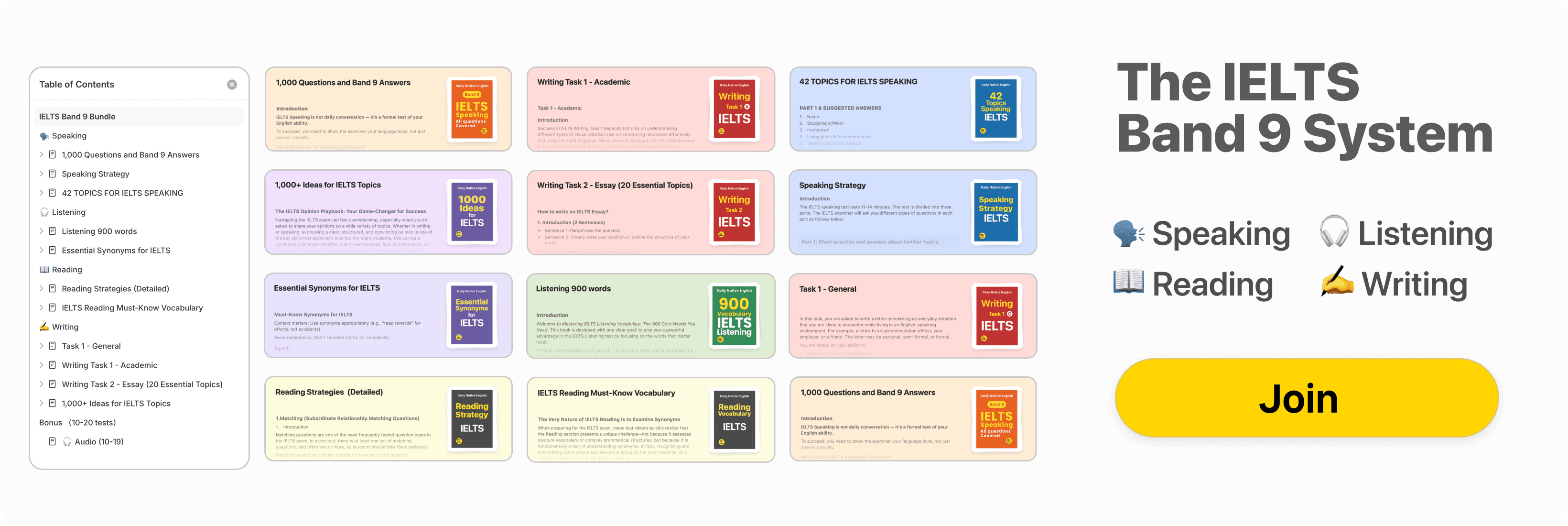
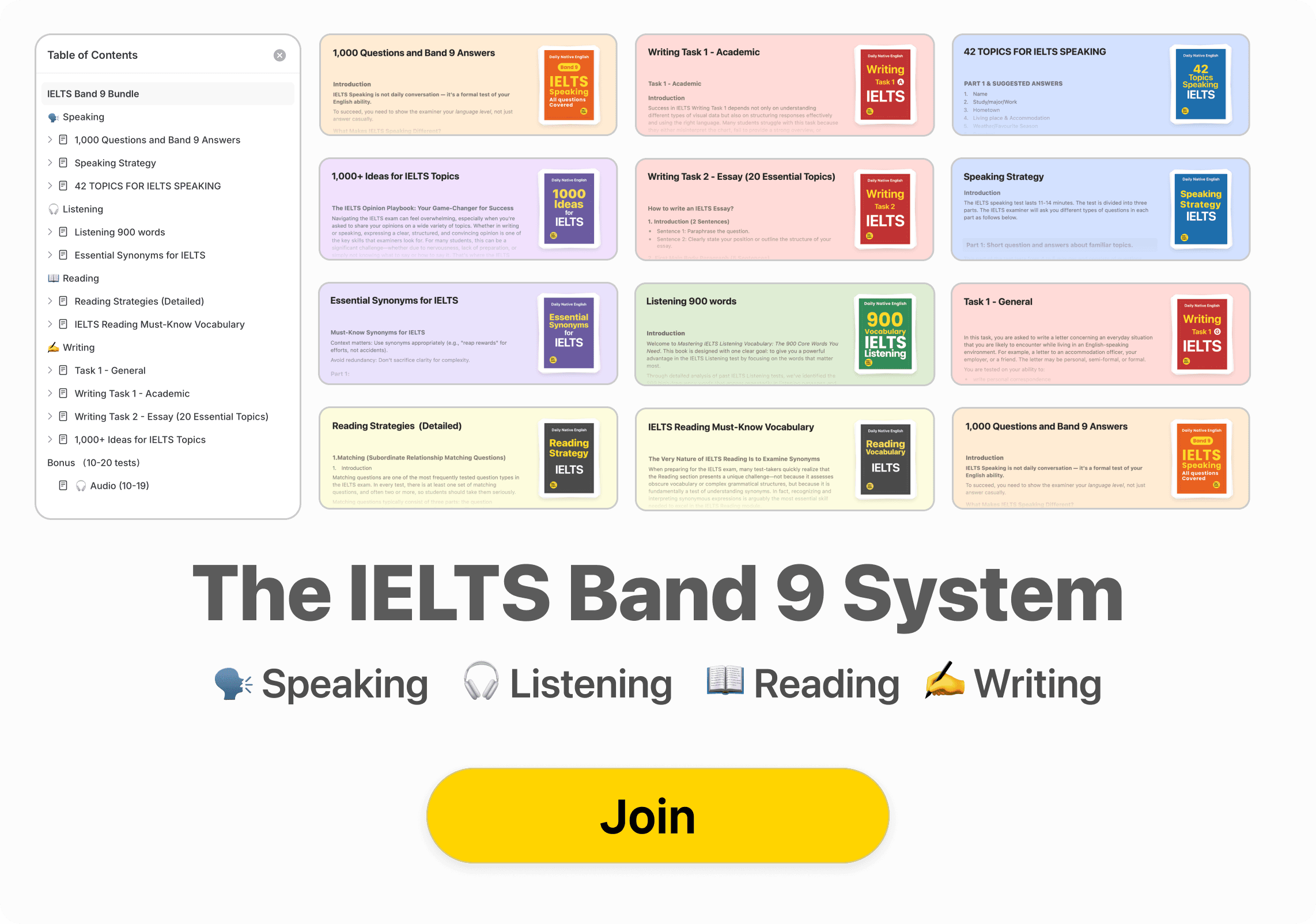
Our IELTS Band 9 System is designed to help you pass on your first attempt, without wasted time or random practice.